What is Sustainable Concrete?
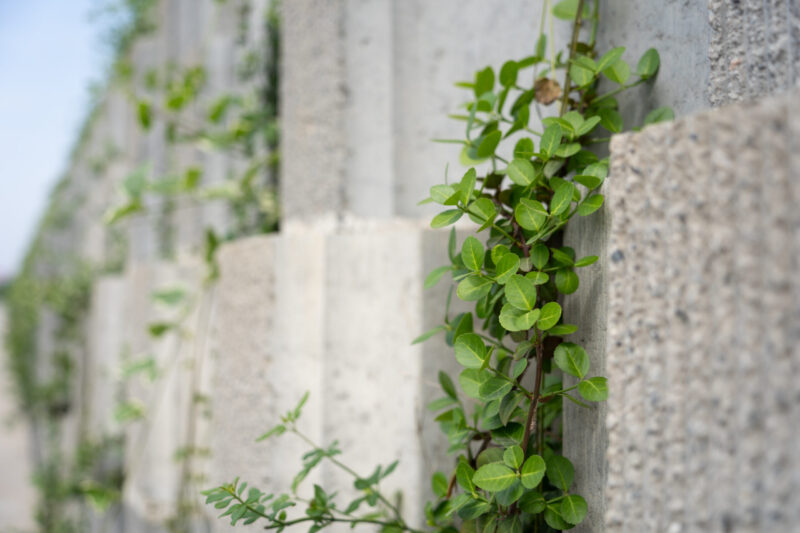
Sustainable concrete, also known as green concrete, is a low-carbon concrete mix that is designed to reduce the environmental impacts concrete has on construction projects. Traditional concrete is a significant contributor to global CO2 emissions, with the production of cement alone accounting for approximately 8% of global CO2 emissions. Sustainable concrete helps to address these concerns by utilising recycled materials and industrial by-products that significantly reduce a project’s carbon footprint without compromising on strength or durability. Read on to discover why more construction projects are choosing sustainable concrete, along with practical examples and the steps involved in choosing the right sustainable concrete mix for your next project.
The Environmental Impact of Traditional Concrete
Concrete is one of the most widely used materials in the world, but it also has a considerable impact on the environment.
Traditional concrete is constructed from a mixture of sand, gravel, water and cement. According to the World Economic Forum, if cement were a country, it would be the fourth-largest carbon dioxide emitter globally. This is because cement manufacturing is highly energy-intensive and involves a chemical process called calcination, where limestone is heated to form clinker, with CO2 released as a byproduct.
The broader construction industry; including steel, chemicals and aluminium production, not to mention the ships, planes and trucks used to transport them, accounts for a massive 37% of global greenhouse gas emissions. With construction projects on the rise, there is a demand for sustainable alternatives that can minimise the environmental impacts.
What Makes Concrete Sustainable
Sustainable concrete is a type of concrete engineered to reduce the environmental impact of construction without sacrificing on strength or durability. It can achieve this with a lower Portland cement content and by incorporating alternative binders that help to lower emissions and preserve natural resources.
Sustainable concrete uses recycled materials such as fly ash, slag and silica fume to reduce the amount of cement. Locally sourced aggregates are also utilised, with mined stone and sand substituted with construction demolition waste, crushed recycled glass and industrial by-products to protect the natural environment.
Some advanced concrete technologies may even utilise a technique called carbon-curing, where captured CO2 is injected directly into the mix. It then mineralises into a solid calcium carbonate that permanently traps the gas, thus preventing its ability to escape into the atmosphere.
Piave has led the way in developing sustainable concrete solutions. Its GreenCrete range delivers significant embodied carbon reductions without compromising strength, durability or constructability. Piave’s third-party verified mixes can achieve a 66% reduction in Global Warming Potential (GWP – A1 to A3), while maintaining a premium structural performance across strengths ranging from 20MPa to 50MPa.
Benefits of Sustainable Concrete
Environmental benefits
Lower CO2 emissions
By replacing a portion of traditional cement with recycled materials such as fly ash, slag or silica fume, sustainable concrete can significantly reduce embodied carbon. For example, based on its independently verified EPDs, Piave’s GreenCrete range can achieve up to a 66% reduction in Global Warming Potential (GWP- A1 to A3).
Reduced landfill waste
By incorporating industrial by-products and recycled aggregates that would otherwise be left for landfill, sustainable concrete makes use of waste materials that can reduce the environmental burden of industrial waste disposal.
Reduced virgin material extraction
The use of recycled and alternative materials in sustainable concrete helps to reduce the demand for virgin resources such as sand and limestone. This helps to preserve natural deposits while reducing the environmental damage caused by quarrying and mining.
Additional benefits
Durability
Sustainable concrete is engineered to meet and often exceed the strength and durability of traditional concrete. This is because the recycled aggregates and industrial by-products used can enhance density and resistance to cracking, making it a reliable choice for a range of construction projects.
Thermal efficiency
Certain sustainable concrete mixes can offer strong thermal mass properties, which can help buildings better retain heat through winter and stay cooler during summer. This can contribute to improved energy efficiency and can potentially reduce a building’s reliance on heating and cooling systems.
Cost-effectiveness
By incorporating locally sourced materials, this can significantly reduce transportation costs and supply chain complexity. For example, sourcing materials such as fly ash from a nearby supplier can cut freight costs while reducing the emissions of long-distance transportation. For large-scale projects, these savings can quickly add up considerably.
Can Sustainable Concrete Be Used For All Project Types?
Yes, sustainable concrete is incredibly versatile and can be used in a variety of project types, from residential, commercial and infrastructure applications. However, you will still need to ensure the sustainable concrete mix meets the structural demands of the project, while also meeting any regulatory requirements.
Practical Examples of Sustainable Concrete
Sustainable concrete is highly flexible and can be effective in a range of construction projects. These include:
Green building projects
Sustainable concrete can be a natural fit for green building projects where minimising the impact on the environment is one of the core objectives. It is commonly used for eco-conscious office buildings, community centres and mixed-use developments where sustainability targets need to be reached.
Residential foundations and driveways
For homes, sustainable concrete can offer the same structural strength as traditional concrete while also reducing the carbon footprint of the build. It is becoming increasingly used for foundations, slabs and driveways, where its durability can ensure long-term performance.
Commercial buildings
Large-scale commercial buildings, such as shopping centres, office towers, warehouses and hotels, require significant amounts of materials. Therefore, making the switch to sustainable concrete can have a considerable effect on the environment, and can be used across the various structural elements, such as columns, cores and floor slabs.
Pavements and infrastructure
Sustainable concrete is also well suited to pavements, footpaths and broader infrastructure projects such as roads and bridges. These areas are subject to significant heavy traffic and extreme weather conditions, making the durability of sustainable concrete a practical and environmentally beneficial alternative to traditional concrete.
Featured project:
Sustainable concrete has been used for numerous real-world projects to reduce embodied carbon while meeting any performance requirements. One example is Piave’s GreenCrete, which is helping to deliver lower-carbon concrete for major development projects across Melbourne. In partnership with Crema, they are being incorporated into the The Jam Factory and 111 Lorimer Street projects, contributing to the Melbourne skyline’s shift to sustainable construction.
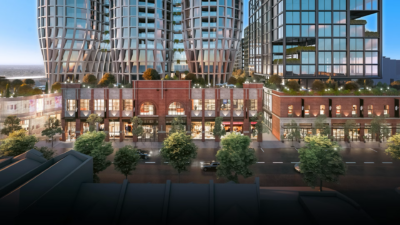
Jam Factory by Gurner Group, currently in development by Crema
Is Sustainable Concrete More Expensive than Traditional Concrete?
You should expect sustainable concrete to be generally more expensive initially than traditional concrete. Using eco-friendly materials and making production and supply chain adjustments can lead to increased costs of between 5% and 20%.
These higher costs can make it challenging for many construction projects to justify the investment. However, it’s important to consider the long-term benefits of sustainable concrete, with the reduced maintenance costs, durability, and longer life span potentially leading to increased savings over time.
Government Regulations and Compliance
Construction projects are incorporating sustainable concrete solutions because of various regulatory requirements. Many local and state governments are implementing stricter environmental standards to ensure building supplies align with long-term sustainability goals.
These include the National Construction Code (NCC), which sets minimum sustainability and energy efficiency requirements for new builds across Australia. These encourage project developers to consider lower-carbon material choices such as sustainable concrete.
Projects can also voluntarily pursue a Green Star rating, administered by the Green Building Council of Australia (GBCA), to demonstrate their commitment to sustainable design. The Green Star rating system ranges from 1 to 6 stars, with higher ratings recognising higher levels of sustainability performance.
Globally, the United Nations Sustainable Development Goals (SDGs) are driving a broader industry shift towards greener construction materials, with a goal to reach net zero emissions by 2050.
Practical Tips for Choosing Sustainable Concrete
Check certifications
Before committing to a sustainable concrete solution, it will be important to verify that it holds the recognised certificates such as Green Tag, ISO 14001 or Environmental Product Declarations (EPDs). This will give you the confidence that the concrete meets the sustainability standards required.
Ensure compliance
It will be essential to confirm that the chosen sustainable concrete mix passes all the relevant requirements for your project. This could include the National Construction Code (NCC), AS 3600, and any state or territory requirements, such as those administered by the Victorian Building and Plumbing Commission. Ensuring compliance early in the concrete selection process can help avoid costly adjustments down the line.
Choose locally sourced materials where possible
Try to prioritise sustainable concrete mixes that incorporate locally sourced materials. This helps to reduce transportation costs and emissions while also supporting regional suppliers. We recommend asking your concrete supplier about the origin of any materials, such as recycled aggregates or fly ash.
Match mix designs to project requirements
A key part of choosing the right sustainable solution is making sure that the concrete mix is suitable for your project. Working with your concrete supplier directly will be essential, as they can help you select a mix that matches the specific structural, environmental and aesthetic demands.
Work with experienced suppliers/installers
Prioritising an experienced supplier is essential, as they ensure any sustainable concrete solution is correctly mixed to the specific requirements of a project. They have the expert knowledge to streamline the entire process, with quality pre-testing that ensures structural integrity and reduces the need for costly maintenance down the road.
Helping to reduce CO2 emissions due to its low-carbon production, sustainable concrete is increasingly in demand in the construction industry to reduce environmental impacts. For high-quality, sustainable concrete solutions, please reach out to the team at Piave. With more than 30 years of experience delivering excellence and integrating new concrete technologies, they can ensure you receive a high-quality service.