What is Exposed Aggregate Concrete?
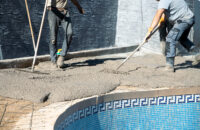
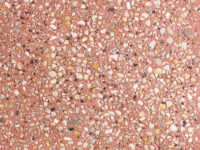
Exposed aggregate concrete is a type of decorative finish that can transform both residential and commercial spaces. It consists of a concrete base with an exposed top layer that’s filled with a mix of aggregates such as sand, cement, decorative stones and pebbles.
Exposed aggregate has been a popular choice for decades because of its unique, textured appearance, impressive durability and cost-effectiveness. Because of these advantages, it is commonly used to enhance patios, driveways and walkways.
Discover why so many homeowners are choosing exposed aggregate for its unique combination of visual appeal and structural integrity, as well as the key maintenance tips to prolong its lifespan.
Materials Used in Exposed Aggregate Concrete
Exposed aggregate concrete is created using a unique mix of materials that helps produce a one-of-a-kind textured finish. An exposed aggregate concrete mix typically includes the following key materials:
Aggregates
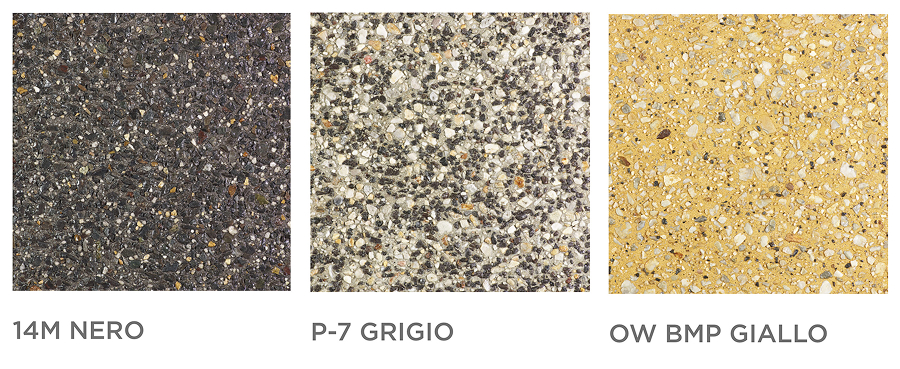
The aggregates are all the visible elements on the surface of your concrete. Depending on the appearance you want to achieve, you could choose a variety of different aggregates in various sizes, shapes and colours. Popular choices that you add include natural stones such as crushed stone, pebbles or more decorative choices such as coloured stones or quartz.
Cement
The foundation of your aggregate is the cement, which acts as the binding agent holding everything together. Standard grey concrete is the typical selection; you can also opt for coloured if you’re looking for a certain appearance. Ensure you choose a high-quality cement that gives your surface strength and helps to avoid any costly repairs. Piave’s standard concrete utilises robust cement and has a strength between 15 MPa and 40 MPa.
Water
Water is the material that activates the cement and helps to bind it together with the aggregates. It’s important that you find the right water-to-cement ratio because if you add too much water, this can weaken the concrete, while not enough can lead to a stiff, unworkable material that’s not completely bonded.
Sealants
Like any other concrete surface, exposed aggregate can be vulnerable to damage from moisture, stains and natural wear and tear. Therefore, once the concrete has cured and the aggregate is exposed, a sealer must be applied, which acts as a protective coating for the surface that protects it from the elements and prolongs its lifespan.
Appearance
Different methods and materials can also influence the final appearance of your exposed aggregate. Two of the most common techniques are seeded aggregate and polished aggregate, each of which offers a distinct visual appearance.
Seeded aggregate involves placing decorative stones or pebbles onto the surface of your freshly poured concrete. Polished aggregate takes this process a step further by grinding and polishing the surface after your aggregate has been exposed. This results in a smoother, high-end finish that can enhance the colour and detail of your aggregates while retaining durability.
Benefits of Exposed Aggregate Concrete
Exposed aggregate concrete is highly valued as a decorative option for a variety of reasons. To help you understand why, consider the following advantages that exposed aggregate can offer:
Durable
Exposed aggregate is specially engineered to withstand heavy loads, making it a durable concrete surface. This is because the embedded aggregates are full of hard, weather-resistant materials such as granite, stones and quartz. The quality of your exposed aggregate can be maintained for decades with minimal upkeep needed.
Aesthetic appeal
The unique look of exposed aggregate is one of the major reasons why homeowners choose to add these surfaces to their property. The aggregates on the outside of your concrete surface can create a distinct blend of natural stones and pebbles. Many homeowners particularly love the rugged, textured look, with the aggregates adding depth and character to any space.
It requires low maintenance
Particularly when compared to other concrete types, exposed aggregate is relatively low-maintenance. Once sealed, the durable aggregate surface means you won’t need to worry about spending time or money repairing stains, cracks or weather damage. The textured finish also helps conceal dirt and minor imperfections, reducing the need for frequent cleaning to maintain its appearance. For homeowners who are looking for a low-maintenance outdoor space, exposed concrete could be the perfect surface.
Great traction and slip resistance
Safety ranks as one of the biggest concerns for homeowners when it comes time to select an outdoor surface material. Exposed aggregate delivers outstanding slip resistance, which will be particularly important for outdoor areas such as pools and steep driveways. The varied aggregates create a textured surface, with a Coefficient of Friction (COF) of 0.6 or higher that significantly exceeds the safety standards for wet areas.
Eco-friendly
Exposed aggregate commonly utilises locally sourced and recycled aggregates such as slag and other industrial waste. These material choices help to minimise its environmental footprint. Piave’s approach to exposed aggregate emphasises sustainability and is designed to meet rigorous Australian standards, while utilising recycled materials wherever possible. Learn more about our commitment to sustainability here.
Versatile design options
The sheer variety of aggregate materials available allows for a wide range of customisation options. This means whatever the look you’re trying to achieve, there is likely a combination of aggregates that can achieve this look, resulting in a surface that’s truly tailored to you. For example, if you want to achieve a particular colour for your outdoor walkway, you could choose stones and pebbles within your aggregate that match this colour.
Where to Use Exposed Aggregate Concrete
Exposed aggregate stands out as a popular choice due to the wide variety of locations it can be used throughout a property. It can add character and a bold texture to the following areas of your home:
Driveways
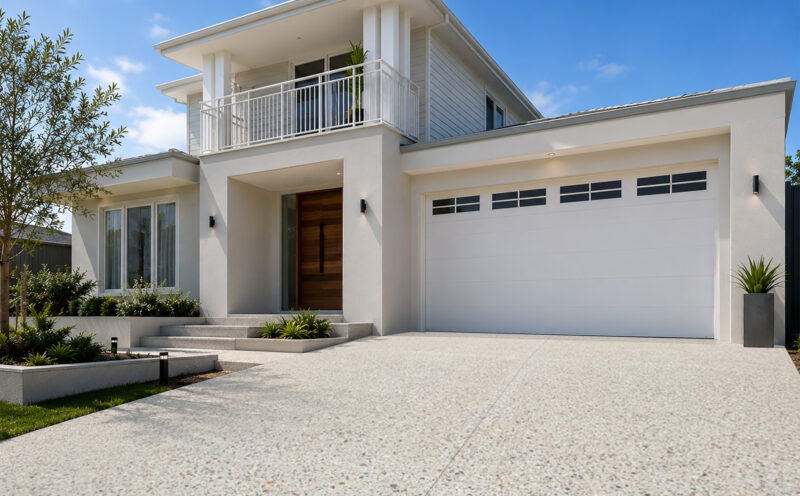
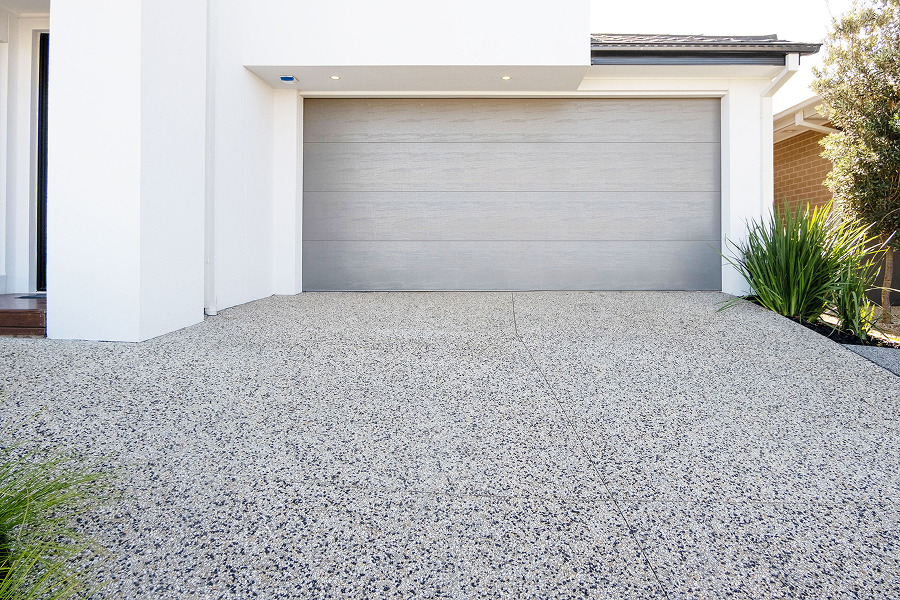
Because of the amount of traffic and heavy vehicles that may pass through your driveway, this requires a type of concrete to support this weight. Exposed aggregate is one of the best options for this part of your home because of its strong durability and robust concrete base, making it resistant to cracking. You also don’t want your driveway to be slippery, particularly if it’s on an incline, making the natural slip-resistant texture of exposed aggregate incredibly beneficial.
Pathways
The slip-resistant texture of exposed aggregate also makes it a perfect surface for pathways and walkways. Furthermore, pathways that move through gardens and connect the different outdoor areas of your home can be visually enhanced with the unique colours and textures of exposed aggregate.
Pool decks
Around pools, you want a surface that can add a distinct visual element, while also enhancing safety. For swimmers, exposed aggregate surfaces provide a slip-resistant surface that’s still comfortable for barefoot use. You can also add colour to your aggregates to complement the colours of your pool and surroundings.
Concrete patio
For your outdoor entertainment spaces, exposed aggregate provides a strong, natural and textured finish that requires minimal upkeep. Because you want your outdoor areas to cater for people, you’ll want them to look elegant, with exposed aggregate helping to enhance their appearance. Its natural durability also makes it highly resistant to the sun’s UV rays within outdoor areas like your home patio.
Decorative Concrete Variations
While exposed aggregate can be a great choice for homeowners, it’s also important to consider some of the other major options regarding decorative concrete. They include the following:
Polished concrete
Polished concrete is a type of decorative finish that is created by mechanically grinding and polishing the surface to create a smooth, high-gloss appearance that resembles marble or granite.
Honed concrete
This is a refined version of exposed aggregate, where the aggregates are ground down further. This creates a smooth, flat surface that’s more comfortable for bare feet, while retaining the non-slip properties of exposed aggregate.
Coloured concrete
Homeowners can also choose to colour their concrete. This is a unique finish that is created by adding integral pigments, stains or dyes within the concrete mix. This can be a great choice for those looking to achieve a specific colour scheme to match their property’s aesthetic, or to add vibrancy to any space. View Piave’s range of coloured concrete options here.
Stamped concrete
Within stamped concrete, patterns and textures are imprinted within the wet concrete to attempt to mimic natural materials such as stone, brick or wood. Because it can mimic more expensive textures, it’s a popular choice for its cost-effectiveness.
Exposed Aggregate vs Stamped Concrete
While both stamped concrete and exposed aggregate are forms of decorative concrete, they differ in several important ways. While exposed aggregate is characterised by leaving the natural stones and other aggregates visible for a textured, slip-resistant finish, stamped concrete imprints a variety of patterns, such as stone, brick or slate.
When comparing both options, stamped concrete provides a variety of pattern options, but typically lacks the slip resistance of exposed aggregate. Initial costs are typically similar, and while both options are incredibly durable, exposed aggregate is slightly stronger, making it more suitable for driveways and heavy traffic areas, while stamped suits patios or indoor areas. Exposed aggregate also takes the edge in regards to maintenance, because the aggregates provide structural depth that makes it more resistant to any general wear and tear and heavy traffic.
While exposed aggregate has some clear advantages, the final decision should come down to your personal preferences. Although it may not be quite as durable, stamped concrete is still a viable option for driveways, particularly for its unique appearance. If you need more assistance making your decision, reach out to the experts at Piave for a professional consultation on the most appropriate choice for your application.